As we age, most of us will suffer from some form of osteoarthritis. Osteoarthritis is when the cartilage (that protects the ends of your bones) wears down and the bones of the joint grind against each other causing inflammation and pain. One common method of dealing with it is to replace the worn joint with an artificial one. Knees, hips, and shoulders are among the most commonly replaced joints.
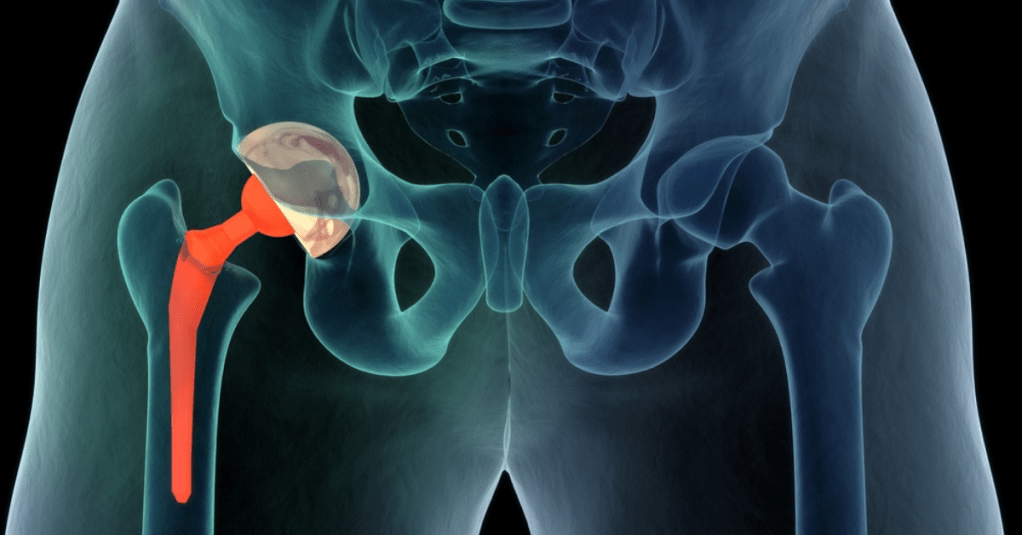
If you are going to have replacement surgery, you want to do your part on getting the best outcome possible and to do that means strengthening the muscles surrounding the joint before going into surgery and rebuilding the strength and mobility of them after the surgery.
This is personal for me as I had my right shoulder replaced about 9 years ago and am having my right hip replaced on June 29th, 2021. My hip x-ray report stated “Severe degenerative changes with complete loss of the joint space with bone on bone apposition. There is osteophyte formation and subchondral sclerosis.” Now, you have to know that I am still teaching (and participating in) high-intensity weight training classes, have very good strength and mobility… just a lot of pain. The fact that my hip is strong and mobile will make the recovery from surgery much easier and quicker. (I’ll let you know how it goes.)
I’m not going to recommend any particular exercises that you should be doing because your program needs to be created based on your individual needs, what strength and mobility you currently have. I will share the standard guidelines with you, though.
Prior to having a joint replaced and while dealing with osteoarthritis the recommendations are, “While you may worry that exercising with osteoarthritis (OA) could harm your joints and cause more pain, research shows that people can and should exercise when they have osteoarthritis. In fact, exercise is considered the most effective, non-drug treatment for reducing pain and improving movement in patients with osteoarthritis.” (Arthritis Foundation) So, don’t wait to start, but be sure to get professional guidance.
Post-replacement recommendations not only include physical therapy, but also know that, “a critical part of the recovery process begins after the last physical therapy appointment ends. “You are already engaged in an exercise program,” says physical therapist Michele Hribar, PT. “Now you need to continue it for the rest of your life.” (Cleveland Clinic)
Joint replacement can greatly enhance the quality of your life. Do everything you can to assure the best outcome and make strength and mobility exercises part of your life.
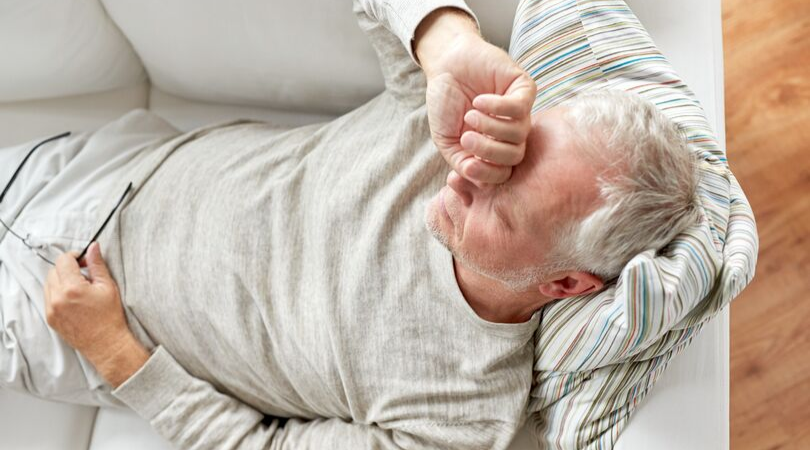 Let’s look at some real reasons for not changing:
 Mindset matters. Take a week or two, and try this out. As you prepare yourself for your next workout, find a couple of “get to”s that helps you to look forward to it. It doesn’t take long to see that because you “get to” workout, your health, your physical and even your mental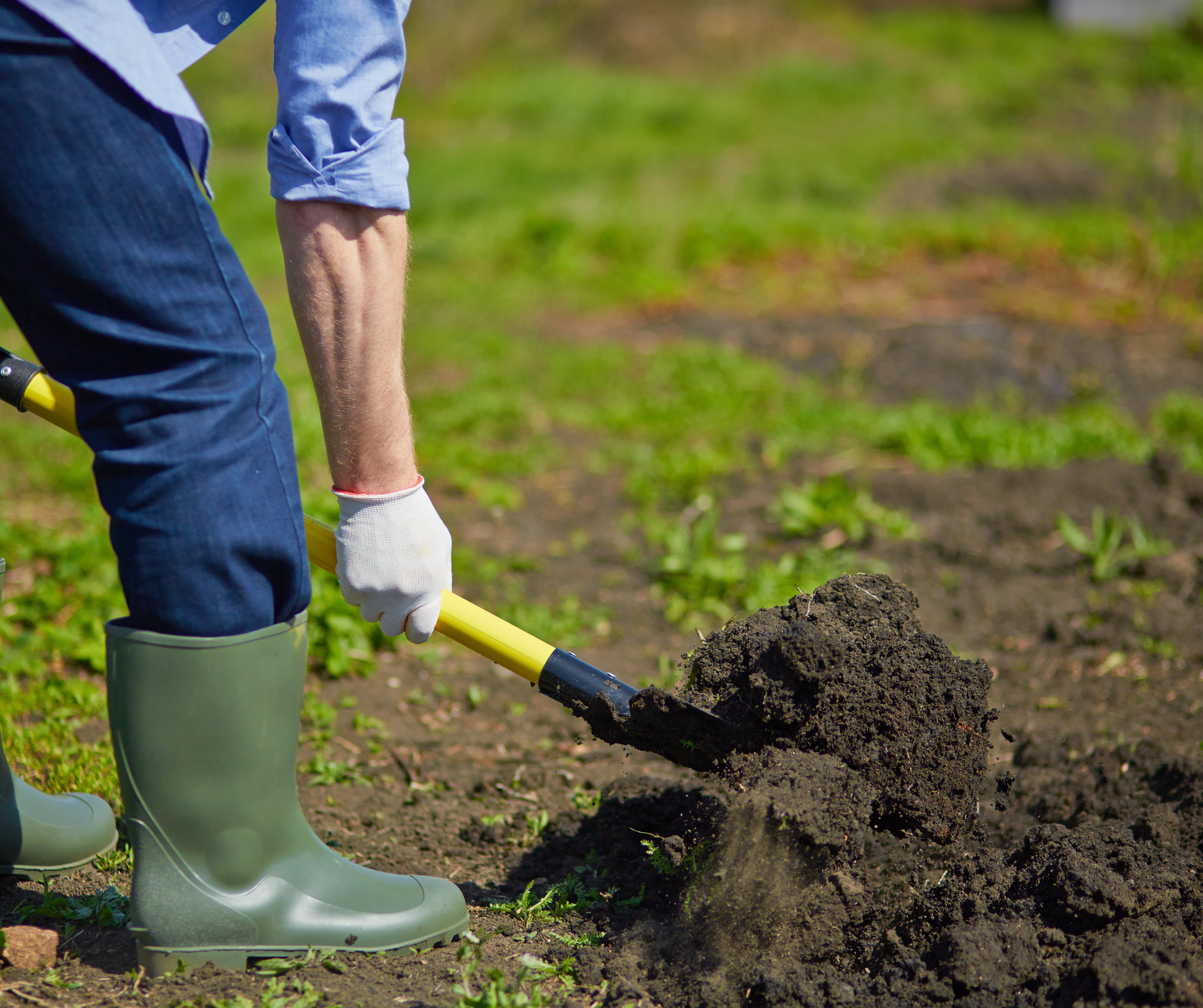
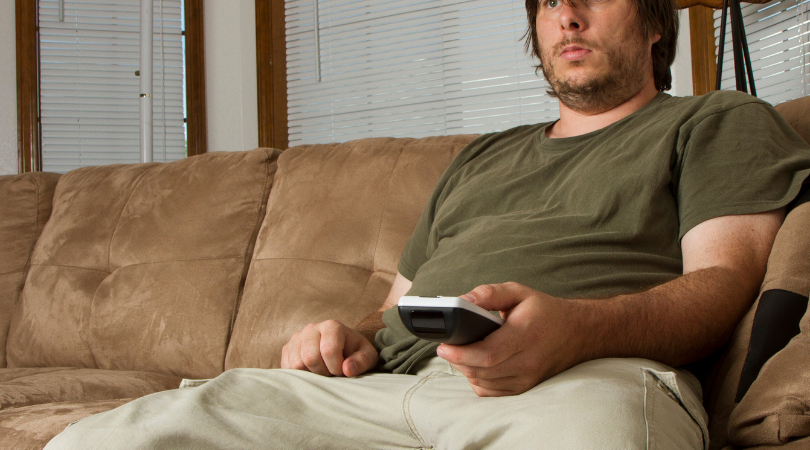
 Any exercise program will give results to someone who hasn’t been exercising. It doesn’t mean it is the safest, most effective exercise program. It is just that now you’re following a program and doing some kind of exercise.
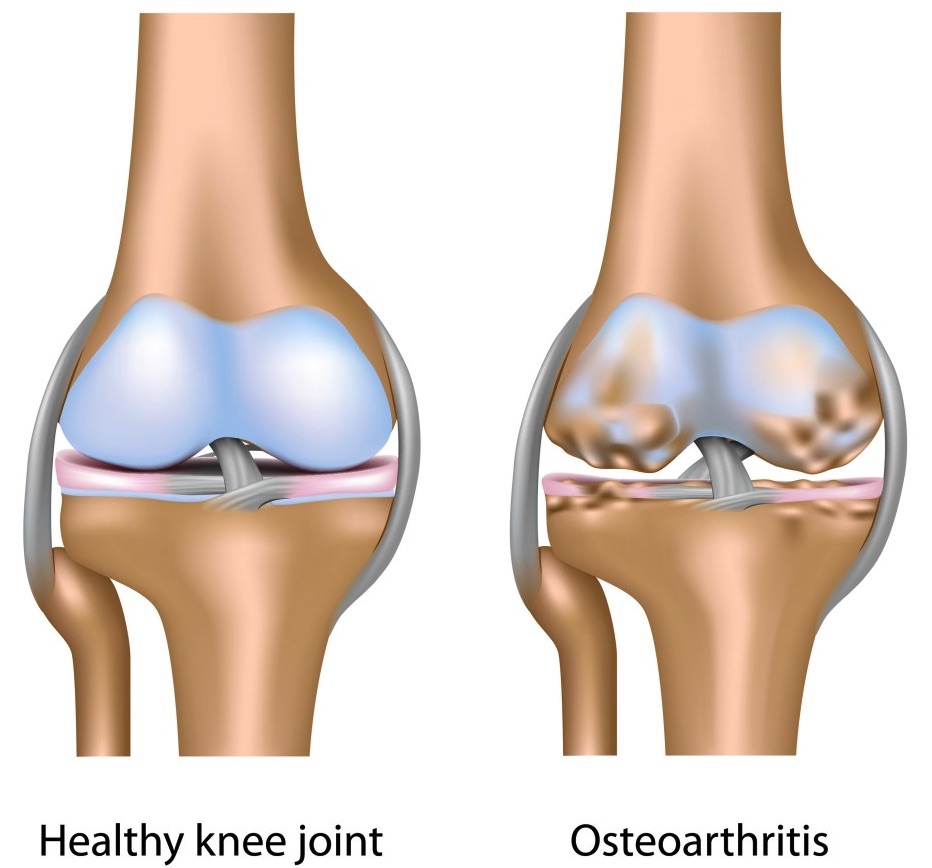 and helps it glide through movement, wears down and/or is damaged, it leaves the joint with bone grinding against bone. This can cause pain, swelling and problems moving the joint. This is osteoarthritis. There are many of us that will experience osteoarthritis as we get older. It is a degenerative condition that can be caused or made worse by aging, injury, or pressure from excess body weight. Needless to say, when our joints hurt, we move less. That used to be the recommendation from the medical community as well. If it hurts to do something, then don’t do it. Unfortunately, that’s not what current research shows. The less we move the joint, the weaker the surrounding muscles become and, the weaker they become, the more stress is on the joint. This ongoing stress only makes the pain and discomfort worse.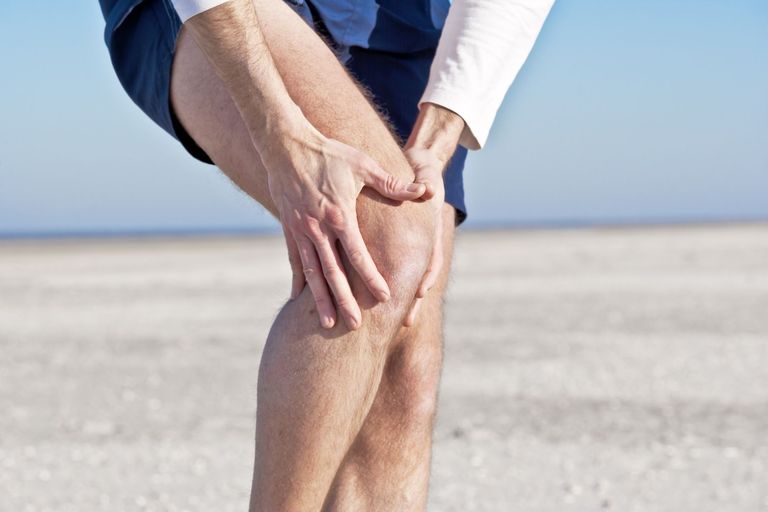
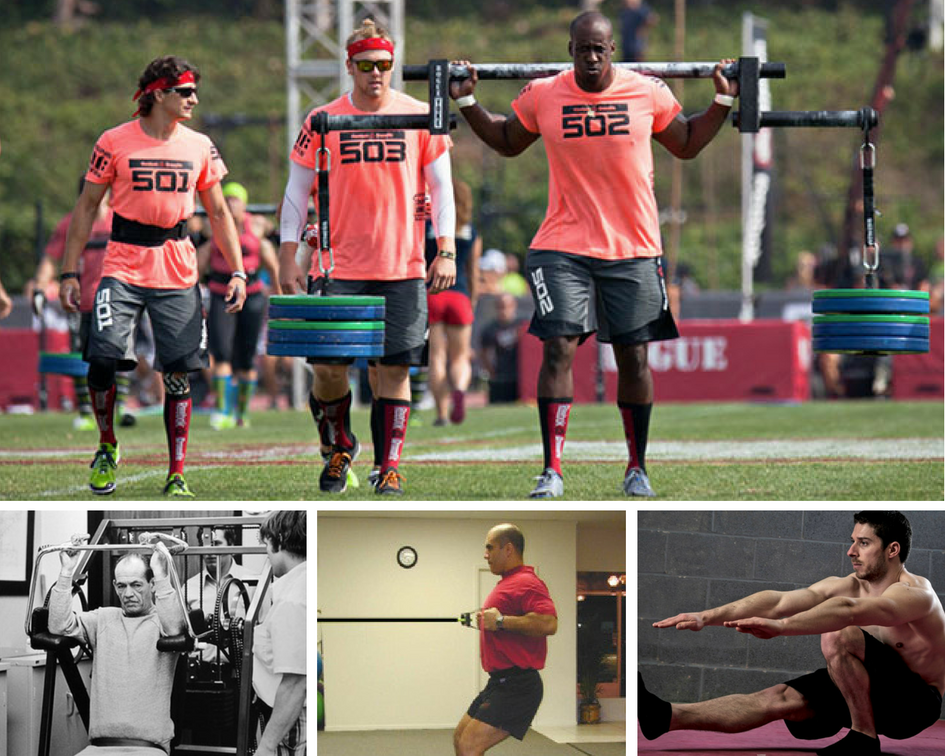 Free weights (a constant, external weight) have been around forever. Anything we grab and lift is a free weight. There are many physical professions that produce strong people because they lift heavy things as part of the job. In fact, some of the strong man/woman challenges are taken from these, such as the farmer’s walk and yoke carry. One of the major benefits of lifting free weights is that can replicate the demands that we face in our activities of daily living (ADL). This is typically what is called functional training. Lifting with free weights can make you deal with balance, stability, and gravity in a similar way as lifting something in “real life”.
 Fitness: Fifty and Beyond