Fear and the Spiraling of Disability as We Age

It used to be thought that we lose strength, mobility, balance, and stamina as we age, because we age. Research has since shown us that that just isn’t the case. We lose these attributes, not because we’re getting older, but because as we get older, we stop challenging ourselves in these areas. Why is that?
I have a theory, but first let’s note that, according to the CDC, only 24.2% of the adult US population met the Physical Activity Guidelines for both aerobic and muscle-strengthening activity. So, without even taking aging into account, we’re not active enough. As we age, we tend to not move as much as we used to and as we do less, we are able to do less. Our loss of abilities is not from aging but from decreased use.
As we age, our bodies suffer from wear and tear and a potentially a lifetime of less-than-ideal habits. Our bodies will experience aches and pains and when it’s uncomfortable to move, we choose to move less. Hence, our loss in abilities. Top that loss off with a loss of confidence in our ability to move (less sure of our strength and balance) and we start to be afraid of what might happen if we tripped and fell or injured ourselves in some way. That fear causes an increase in cautiousness. We then back off even more movement as we try to protect ourselves. And the spiral of disability continues.
The beauty of our bodies is that we can regain those lost abilities by getting back to challenging them. We can improve our strength, mobility, balance, and stamina by retraining them. The fear that has been holding us back can be managed by adding in some safety precautions. Here are a couple of ideas to get you started.

  1. Safely challenge your balance by doing standing exercises with your back 6” away from the corner of two walls and face outward. In this position, if you lose your balance to the side or start to fall backward, you will be caught by the wall. You could also set two chairs on either side of you with the backs of the chairs facing you. This way, if you start to lose your balance you can grab the backs of the chairs for stability. Safe!
  2. Do more of the everyday tasks that have become difficult. If climbing stairs has become challenging, don’t do less of them. Do more. The more you do them, the easier it will get. Go ahead and take whatever safety precautions you need, but not so safe as to not challenge your strength and balance.
  3. Add more challenges one small dose at a time. To build back abilities and confidence, start slowly and add more as you’re able.

We have two things to consider here. The first is to not let ourselves get to the point where we question our lifestyle activity. Are we doing enough to maintain our strength, mobility, balance, and stamina? If we’ve gone too long without the necessary challenges and now feel afraid to move like we used to, can we safely reintegrate those activities so can regain our abilities and confidence? Both are possible. We just have to take the steps necessary to make it happen. Good luck

Want to Get More Fit? Do More.

I know this sounds a little flippant, but the point I’m really trying to make is that the act of getting more fit doesn’t require a major time commitment, or gut wrenching effort, it just requires you to do a little more than you are currently. That increase in activity will start you on your way to change.

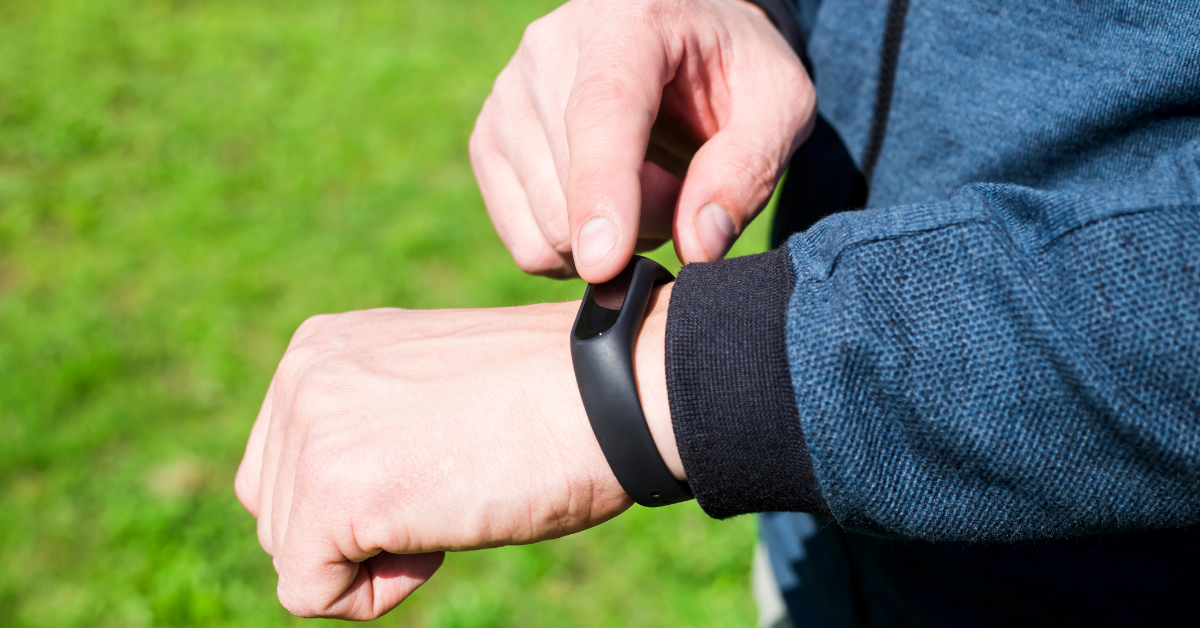
pedometer

When thinking about doing more, there are a few variables that you can consider. Choose one to start with.

  • More Frequency – This could be more times per week or even more times per day. Maybe what you’re currently doing is a five or ten minute walk in the morning with your dog. More frequency might mean taking an extra five minute walk at lunch and/or before dinner. If you’re actually hitting the gym twice a week, maybe you squeeze in one more workout in the week (even a short one).
  • More Intensity – This essentially means making the effort level higher. This can be done by increasing the speed of movement, the resistance, or, if you are doing intervals or sets, decreasing the rest in between.
  • More Duration – Do what you’ve been doing, but longer. This could be more time or more repetitions (which will also take more time).

So, no matter what you have heard about the time and effort it takes to get fit, changing your fitness level doesn’t require endlessly long or endlessly intense workouts. It just requires that you do more than you are currently doing.

Start today.

Do more.

Dig Your Well(ness) Before You’re Thirsty

“Dig Your Well Before You’re Thirsty: The Only Networking Book You’ll Ever Need” was a book I read on networking by Harvey Mackay. The premise is that, because both digging a well and building a network take time, if you wait to start until you need it, it is going to be too late to help you.

Recently, it occurred to me that many people do the same thing with health and wellness. They wait until they have problems before they seek a solution. Benjamin Franklin is quoted as having said, “An ounce of prevention, is worth a pound of cure.” and that certainly holds true with our health.

Now, while it’s never too late to start, it can be a lot more difficult fighting your way back from injuries or illness than if you had begun before there was a problem. Proper nutrition and exercise can help with so many health and wellness issues, that the sooner you start, the more likely you are to avoid or postpone them.

If you’re not currently working toward better health and fitness, what are you waiting for? Move more. Better your diet. Manage your stress. Dig your well(ness) before you’re thirsty.

Falling Off the Diet or Fitness Wagon

Have you ever known someone that was working really hard to reach fitness goals, reached them and then fell off the proverbial wagon all to end up back where they started? You want to run up to them and ask what happened, but generally don’t because you know that they are likely to feel pretty upset by it being brought up.

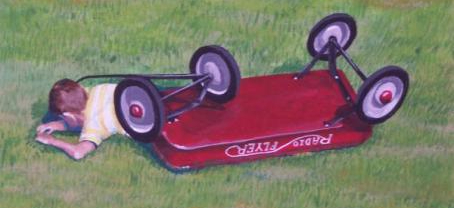
fall-off-wagon.jpg

Falling Off the Wagon

As a personal trainer, I’ll bump into people where this has been the case. They are usually embarrassed or ashamed and will often try to avoid me. I don’t let them off the hook that easily. “We’ve missed you.” “What have you been up to?” At that point they will usually fill me in on what upset the cart. It often is a very understandable event that threw them off and then the inevitable, “I’ll get back to it soon….”

This is the important thing to note, we all fall off the wagon at one point or another. That should be something for everyone to expect (although most do not). It will happen. But, don’t wait until you feel like you can stick to it before you start back up. Start back up again as soon as you can. Don’t worry about how long the attempt will last, just get back up on the wagon. The number of times you try and fail doesn’t count against you. In fact, you will be far better off by repeatedly trying, learning from your mistakes, making new plans, and trying again, than waiting until the situation is perfect before you restart. What’s past, is past. You can’t change it. Don’t worry about it. Don’t feel guilty about it. Learn from it and move on. Start as often as you need and you will eventually succeed.