The Halo Effect is a cognitive bias where, because something has one positive attribute, other positive attributes are automatically believed of it. We all have these biases. It may be in politics or, as we’re going to look at here, the health and fitness world.
Here are 3 different ways the halo effect can fool us.
If people like the way a personal trainer’s body looks, it may be assumed that the trainer is qualified and really knows fitness and nutrition. That may not be the case. They may have taken far longer than needed to achieve their body’s condition. They may only be able to train others that are just like them. They may have injured themselves along the way. I’ve seen many people that have great bodies do some really dumb things.

Because a food is “organic” or “all natural”, we may believe it is healthy for us. We throw a halo over them and think that they are all healthy and all ok to eat. Well, organic brownies still have fat, sugar and a lot of calories in them. Organic foods still has to fit in our diet just like it’s non-organic counterpart. “All natural” certainly sounds good, but when you think about how that includes arsenic and poison ivy, you might not want to ingest them.
The halo effect can also apply to our behaviors.
Maybe you ate an entire pizza, but rationalize that it’s ok because you had diet soda. You’ve given the diet soda more power than it deserves. It may not add to the calories of the pizza, but it also doesn’t take any away from the pizza.
Let’s say you just exercised. Under the halo of something good that you have done, you feel you deserve a treat. A typical workout might burn 300-500 calories. So, now you want your treat, the Starbuck’s Pumpkin Spice Frappuccino. That Frappuccino has 450 calories in it, essentially nullifying the caloric expenditure of your workout. That may be fine if you are not trying to lose weight, but if you are, you need to rethink the treat.
We’re not going to be able to completely stop our use of the halo effect or cognitive biases in our lives. Most times we are completely unaware that we are doing it. We can, however, try to become more aware by starting to question the rationale for our choices. If a decision could have an impact on your goals, stop and ask yourself if you are assuming more than the facts show.
Good luck.


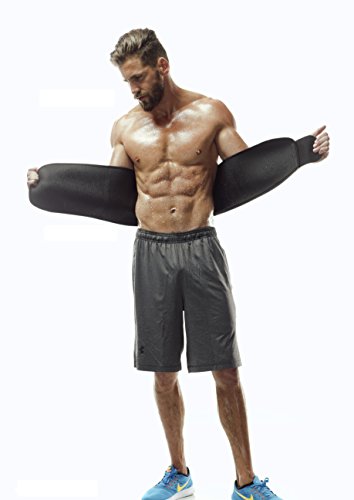 Don’t let it fool you. You had a great workout and your body is trying to cool itself, but, the high heat, high humidity, or lack of air circulation is the real reason you’re sweating so profusely. Let’s face it, haven’t you ever just been sitting and just couldn’t stop sweating? Does that mean you’re burning fat with no effort? Nope. What about swimming in the ocean? If the water temperature is lower than body temperature, you’re not going to sweat. Obviously, if you’re working hard at it, you’re burning those calories whether you sweat or not.
 Let’s start with the major category definitions.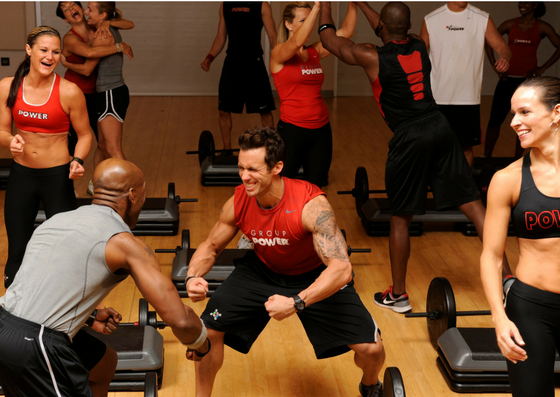
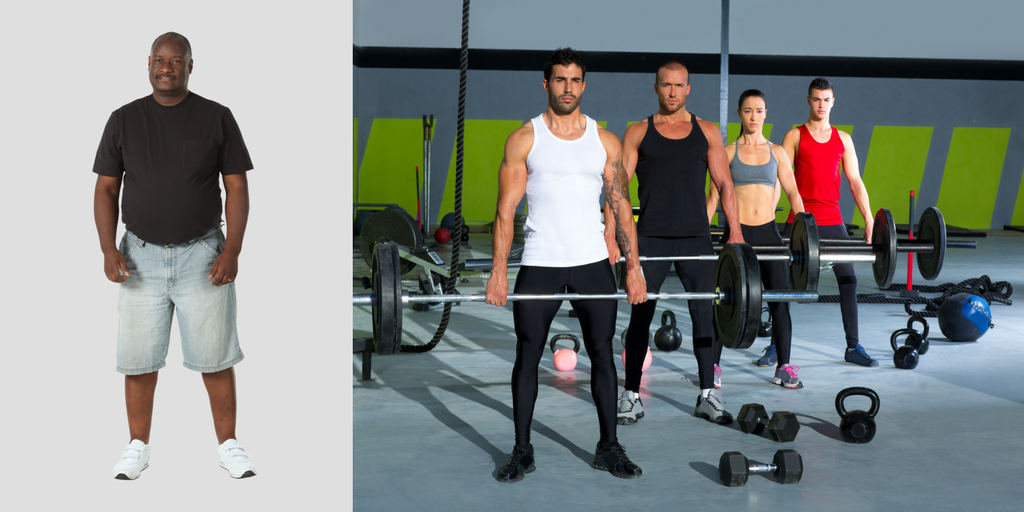 Well, commercials aren’t reality. Visit various gyms and studios at times that you would be able to go and just look around. What is the staff like? What kinds of members or students are there? Are there others like you? Is it too crowded? What’s the atmosphere of the facility? If none of it feels right, keep looking. Different facilities can have very different feelings. But, knowing that you will probably feel a little intimidated no matter where you go, if you find one that is “not so bad”, join it, or at least set up a trial period. It won’t be as bad as you imagine it.
 One of the major problems with doing the same thing that you’ve always done is that it might not be applicable any more. Maybe it’s outdated because more research has come out in exercise science to show that what we used to believe, no longer holds true. i.e. we used to believe that weight machines were the best way to train and gyms packed machines in every square inch. Now we know that training movements with body weight/free weights, where we have to balance and stabilize, offer more benefit in sports and everyday function.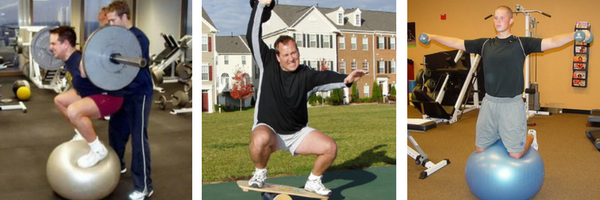
 Fitness: Fifty and Beyond