Keeping Your Brain Fit

As we age, there are changes that occur that we typically expect to face. These might include some hearing loss, impaired vision, and general aches and pains. These are annoyances for the most part and not things that need to diminish our quality of life to any great extent. However, for many, a big fear and source of anxiety is the possibility of suffering from Alzheimer’s or some other form of dementia. Alzheimer’s is the sixth leading cause of death in the US and the second most feared (after cancer). Who could blame fearing it? It can rob us of our memory to the extent that we don’t remember our loved ones, and, to date, there is no cure for it. That said, there are things we can do to keep our brains as healthy as possible for as long as possible. Brain fitness programs have been explored to help people maintain healthy brain tissue and function.
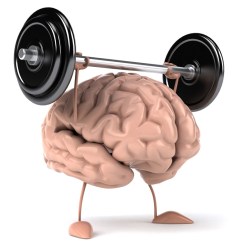
fit_brainThere are five main elements that we can engage in to help our brains working optimally.

  1. Physical exercise has been shown to improve blood flow to the brain, as well as stimulate the production of brain derived neurotropic factor (BDNF) which has been described as “Miracle Grow for the brain”.
  2. Proper nutrition, healthy foods in healthy amounts (especially those high in omega 3 and antioxidants) helps to keep the brain’s tissues functioning optimally.brainfitness-elements
  3. Cognitive challenge is essential and more than just doing crossword puzzles and Sudoku. Look for learning opportunities that involve multiple senses such as learning to play an instrument or learning to speak another language.
  4. Stress management can have a big effect on our lives. Stress elevates cortisol levels (stress hormone) which, if it is chronic, can destroy brain cells making it harder to remember and think clearly. Try activities that can reduce stress such as exercise, meditation, or other things that draw your attention away from your stressors.
  5. Socialization is also important. Studies have shown that people with many social connections, that they interact with on a regular basis, experience a slower rate of memory decline.

These elements of a brain fitness program don’t need to be addressed separately. In fact, one of the best things you can do is to layer various elements together. Fitness classes are a great example of the possible layering, exercise, cognitive (following and/or learning choreography), stress reduction, and socialization with others in the class. Another example could be taking an Italian cooking class where you also learn Italian (cognitive, socialization, possibly nutrition). As I think about it, there’s a very popular one at the moment, the social painting classes (socialization, cognitive, stress reduction).

We can make a difference in our brain’s health and function. The mind is a terrible thing to waste. (I think I heard that someplace 🙂 ) Don’t let yourself slide into mental decline if it can be prevented or even delayed. Try to integrate these 5 elements into your life. Mix and match them. They are what make life richer and help keep it that way.



Aging and Flexibility

Flexibility, as with any aspect of fitness, if you don’t use it, you lose it. And, as we age we tend to challenge our full range of motion less and less which allows our muscles, tendons, and fascia to tighten. Our decrease in going through full ranges of motion may stem from injuries, arthritis, or simply becoming more sedentary.

tying-shoes

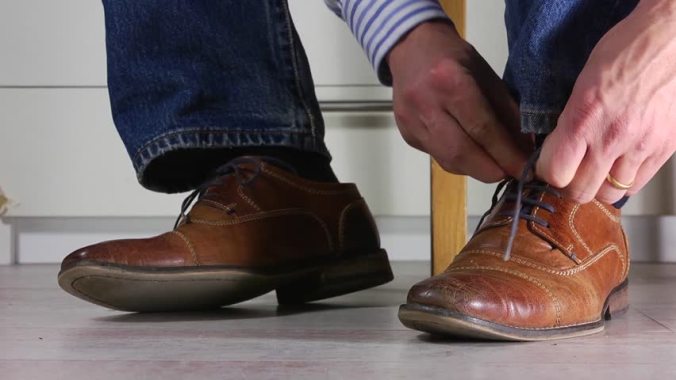
“You know you’re getting old when you stoop to tie your shoelaces and wonder what else you could do while you’re down there.” – George Burns

If an injury has got you moving less, get it checked out by your doctor. Do what you need to get it fixed or let it heal, then gradually stretch the area to regain any lost mobility.

Arthritis, and the pain associated with it, can definitely cause us to move less and through smaller ranges of motion. The guidelines, however, whether it’s rheumatoid arthritis or osteoarthritis, are to exercise through as full a range of motion as is tolerable. This includes working through pain. Contrary to what many people believe, a well-designed and performed exercise program will not make the arthritis worse. The result is actually less pain overall and greater strength, stability, flexibility and function of the joint.

Loss of mobility from being sedentary is common because many people are less active as they get older. It’s lost over time and it will take time to regain it, but you can regain it with work.

So, when it comes to aging and loss of flexibility, know that with some stretching and strengthening, you can improve what you have lost and possibly regain it all.

Day 1: Taking Stock

Before we know what we need to change, we need to know what we are doing. Unlike going on the new popular diet, a lifelong solution to health and fitness is finding changes that we can sustain. It’s about tweaking what we are currently doing until it meets our needs. So, how far off that mark are we?untitled-design-12

From a dietary standpoint that means we need to do a diet diary. Many people like to use the app myfitnesspal (myself included). Lose It is another highly rated diet tracker. For three days simply enter what you eat and don’t worry about any particular goals. We’re just trying to see where we stand at this point. From there we can look at our calories and macronutrients and make changes as needed. (I’ll get into more nutritional specifics in a later post.)

As for exercise, we want to measure not just what we do (or don’t do) in the gym, but also how much we move around all day. While there are some great tracking devices like Garmin Vivosmart HR+ ($219.99) and Fitbit Charge 2 ($149.95), they can out of the price range for many people. LifeHacker recommends the free smartphone app Moves for tracking walking, running, cycling as well as mapping your route. If you don’t have a smartphone and don’t want to spend the money for the high-tech options, you can pick up a simple pedometer such as the highly rated Ozeri 4x3sport Tri-Mode Activity Tracker ($19.45). Once we evaluate our current activity level, we have established a level to improve upon.

Now, of course there are many more elements that we could measure and establish as a baseline, such as weight, body composition, cardiovascular endurance, strength, flexibility, etc. These are great to have, but sometimes finding the qualified individual to take you through these assessments can slow you down and act as a barrier to getting started. The diet and activity levels can be easily done on our own.

Remember that we can’t map our journey toward reaching our goals if we have no idea where we are starting. Establish your starting point and from there you can chart your progress.

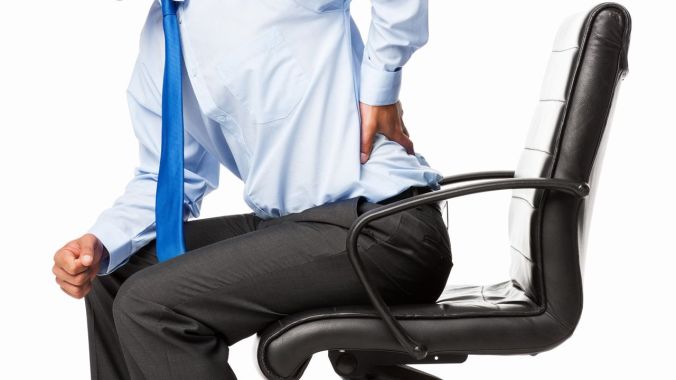
Got Back Pain?

In all likelihood you have experienced back pain at some point in your life, especially if you are over 50. Here are a few quick facts about back pain:

  • Low back pain is the single leading cause of disability worldwide.
  • One-half of all working Americans admit to having back pain symptoms each year.
  • Back pain is one of the most common reasons for missed work.
  • 80% of the population will experience a back problem at some time in their lives.
  • Americans spend at least $50 billion each year on back pain

backpain

According to the Mayo Clinic, risk factors for back pain include:

  • Age. Back pain is more common as you get older.
  • Lack of exercise. Weak back and core muscles can lead to back pain.
  • Excess body weight puts extra stress on your back.
  • Diseases. Some types of arthritis and cancer can contribute to back pain.
  • Improper lifting techniques can lead to back pain.
  • Smoking can keep your body from delivering enough nutrients to the disks in your back.

So, where do we start to reduce back pain? See your doctor first! Get a diagnoses to establish if there is any risk to starting a core strengthening program. (Yes, the core is where your training should begin.)

The first exercise for most individuals (everyone’s case is different) is to learn and practice core bracing. This is where you draw in the waist as if you are trying to fasten pants that are a bit too tight. This girdling creates pressure inside the abdomen which, in turn, supports the low back. Because this exercise supports the back and doesn’t bend and/or rotate the spine, it can usually be done with no harm to the back. You need to practice this to both strengthen the core muscles and to be able to call on that strength when needed.

In my experience, one of the best ways to “find” this bracing is to sit on the edge of a chair and then, while keeping your face straight forward, push the top of your head toward the ceiling. I call these “sit-talls” because that’s what you’re trying to do, sit as tall as you can. In order to be tall, you need to lengthen your spine. To do that, you need to draw in your navel toward your spine and that is the core bracing.

Once you learn what bracing is and how to do it, other static (non-movement) exercises can be incorporated to get you started on the road to better back function with less discomfort.

Let me know if you have any questions.

Mark


How Many Years Do You Have Left?

As a personal trainer, I’ll ask clients what their goals are and occasionally I get an answer like, “At my age, I’ll be happy if I can just go up and down the stairs without getting winded.” Then I’ll look back down at their medical history and see that they are only 52. This always prompts me to ask, “How many years do you think you have left?” Usually they will say they hope to live into their 80’s or 90’s. Well that’s thirty to forty years to go. What are those years going to look like? Are you going to spend twenty years in a walker or a wheelchair? That doesn’t sound like much fun. Just because we’ve hit 50 (or 60, or 70…) doesn’t suddenly mean that we are done, that we are no longer physical beings.

The truth is that we have been conditioned by what has come before. In our parents era, it was believed that we would lose a certain % of our muscle and flexibility and gain a certain % of fat every decade beyond our twenties. Pretty depressing. Well, the truth is that we would see those declines when we slowed down and didn’t continue to challenge ourselves physically. Think about it. We finished playing our sports in high school and college, got a 9-5 job, got home after work and just wanted to relax. As we did less, we are able to do less. It truly is “use it or lose it.” The good news is that most of what we saw as age related declines (also called sarcopenia) were because of the activity decreases and that does not need to be our fate. Whether you have been on that downward slope or just want to make sure you stay off that path as long as you can, the right exercises and diet can keep you fit and able to do what you want well into our final years.

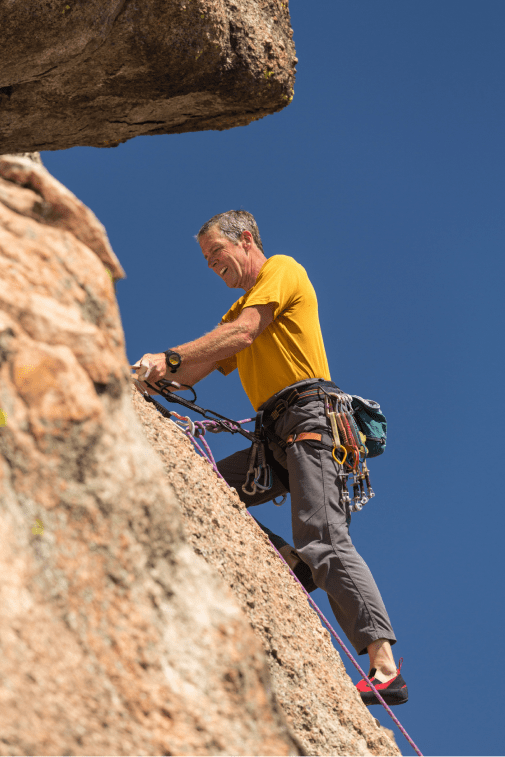
Back to the original question, how many years do you have left? Here’s the follow up question, of those years, how many of them would you like to still be able to do what you want and enjoy? You can choose how you want those years to play out. Don’t settle for climbing stairs when you can climb mountains.

untitled-design-8