Like any action that we have repeated over and over again through the years, much of our eating has become habitual. And habits are things that we have done so often that they are automatic responses. That mind-less nature of these responses is what can make them difficult to change.
Becoming mindful of what you are doing is the first step in changing it. What’s the old saying… “Knowing you have a problem is the first step in curing it.”, or something like that. If we want to change our eating habits, we need to take a look at what we are currently doing, before we can come up with a strategy for changing it. Keeping a journal is best way to do this. While, ongoing journaling can help you continue to change and stay on track, even just journaling for a couple of days can help reveal trouble areas.
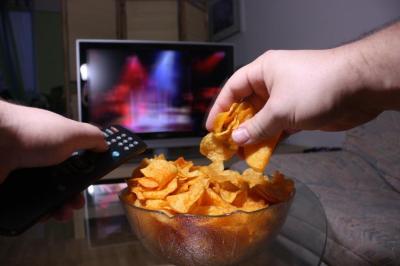
One of the most common overeating issues is when we eat while distracted. If we have a bag of chips in front of us while watching TV, they seem to disappear without us realizing it until the bag is empty. The same is true if we have snacks at our desk while working on our computer. By not paying attention to our food, we are unaware of how much we’re eating and we’re not even really enjoying the flavor of the food.
If this happens with you, ask yourself why. Are you actually hungry, or it just something you always do (habit)? Do you snack while watching TV because you need to do something with your hands? Understanding why can help you find a solution.
 If you are hungry, stop what you are doing. Turn your TV off or leave the room or your desk. Get the food you want. Take the time to enjoy the food and think of it as an eating meditation. Experience it. Look at it, smell it, place it in your mouth, notice the texture, the feel. How does it taste? Food will be a lot more enjoyable and you will eat less if you eat mindfully. Then you can go back to whatever you were doing. Sometimes, this mindfulness can even help you make decisions to eat better food. If you really pay attention to the taste of those lousy chips you’ve been eating, you might say to yourself, “Hey, these chips taste awful.” and find something better (dare I say healthier) to eat.
If you find that you are eating because you needed something to do with your hands, find something else to do. It could be knitting, doodling, coloring, making things with modeling clay (or Play-Doh). These may not sound like things you normally do, but you will be surprised how well they work. (If you have other things that work for you, share them with us in the comments below.)
What are your eating habits? Do you find yourself eating without thinking about it? Do you know how much you are eating and how the food tastes? Keep a food journal for a few days and see what your eating habits are. If you find that there are times that you are eating without really paying attention, try these approaches to control those mindless moments.
 always that simple. First, everyone perceives it differently. I’ve had clients that, after a few reps of an exercise, said that it hurts. ? OK, do I stop and send them to a doctor? Well, I do stop. But then we talk about what they are really experiencing. Where does it hurt? In the joint? In the muscle? OK, it’s in the muscle. What does that feel like? Is it sharp or stabbing? Is it dull or achey? Is it tension and fatigue? You’d be surprised how many people are unused to feeling muscle fatigue and report that as pain. I’ve also had clients that would tell me that their backs hurt when they did abdominal crunches (back when I used to have them do crunches). We’d discuss what they were sensing and determine that they were feeling a stretch tension in their lower back. This was neither harmful nor uncommon as one of the limiting factors in how high someone could crunch was the flexibility of the low back.
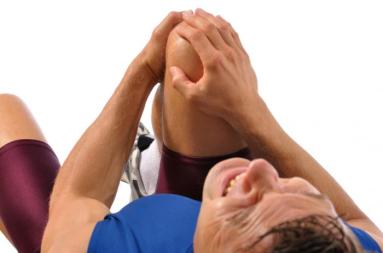 ou have diagnosed arthritis or are just stiff and achey, maybe you can keep on keeping on. However, if you feel a sharp, stabbing sensation, a radiating pain, or even a strong ache in a joint, it is cause to stop what you are doing and seek medical attention. Joint issues can be very serious and should be addressed before returning to activity.
 But, you can never know all of the problems until something is actually put in place. In my humble opinion, we should now be focusing on correcting the things that don’t work with the ACA. That said, what I really wanted to talk about was the most affordable care… preventative care.
 While I know that the majority of smokers know that smoking is hazardous to their health, I believe that benefits of exercise and eating healthfully are too often thought of as just a way to look better. Many people don’t understand the magnitude of health benefits that also come with them. Managing your diet and physical activity really is a health intervention. See
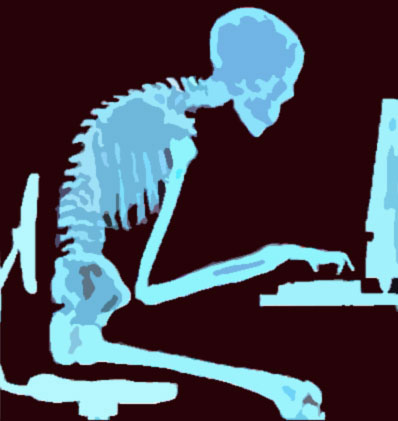 Poor posture can lead to numerous problems as we get older. Muscles that are in shortened positions for long periods of time become tight, which will prevent our joints from being able to return to their ideal stretched position. In example, when in a forward rounded position, the muscles in the front of our bodies become tight and make it difficult to stand up with a neutral spine.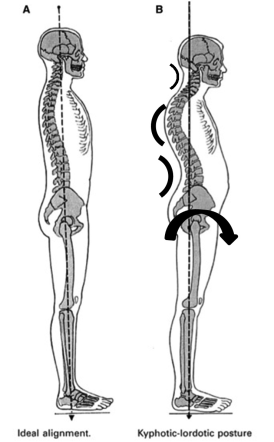
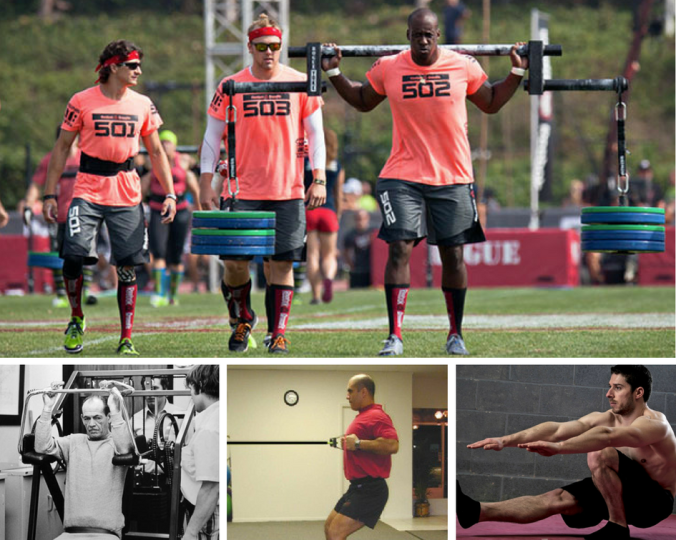 Free weights (a constant, external weight) have been around forever. Anything we grab and lift is a free weight. There are many physical professions that produce strong people because they lift heavy things as part of the job. In fact, some of the strong man/woman challenges are taken from these, such as the farmer’s walk and yoke carry. One of the major benefits of lifting free weights is that can replicate the demands that we face in our activities of daily living (ADL). This is typically what is called functional training. Lifting with free weights can make you deal with balance, stability, and gravity in a similar way as lifting something in “real life”.
 Fitness: Fifty and Beyond